
Which phones support eSIM?
Most iPhones from the iPhone XS onward can install an eSIM. The exception that matters on a trip is the phone’s region. A Hong Kong, Macao, or mainland China iPhone can look identical to one bought elsewhere and still have two physical SIM trays instead of an eSIM. The name on the box is not enough. The model number is.
On iPhone, open Settings, then General, then About, and tap the model number until it changes from a part number to an A-number. On Android, the model number is under About phone, sometimes inside Hardware information or Software information. If two listings exist for the same phone name, only one of them may install an eSIM.
iPhone
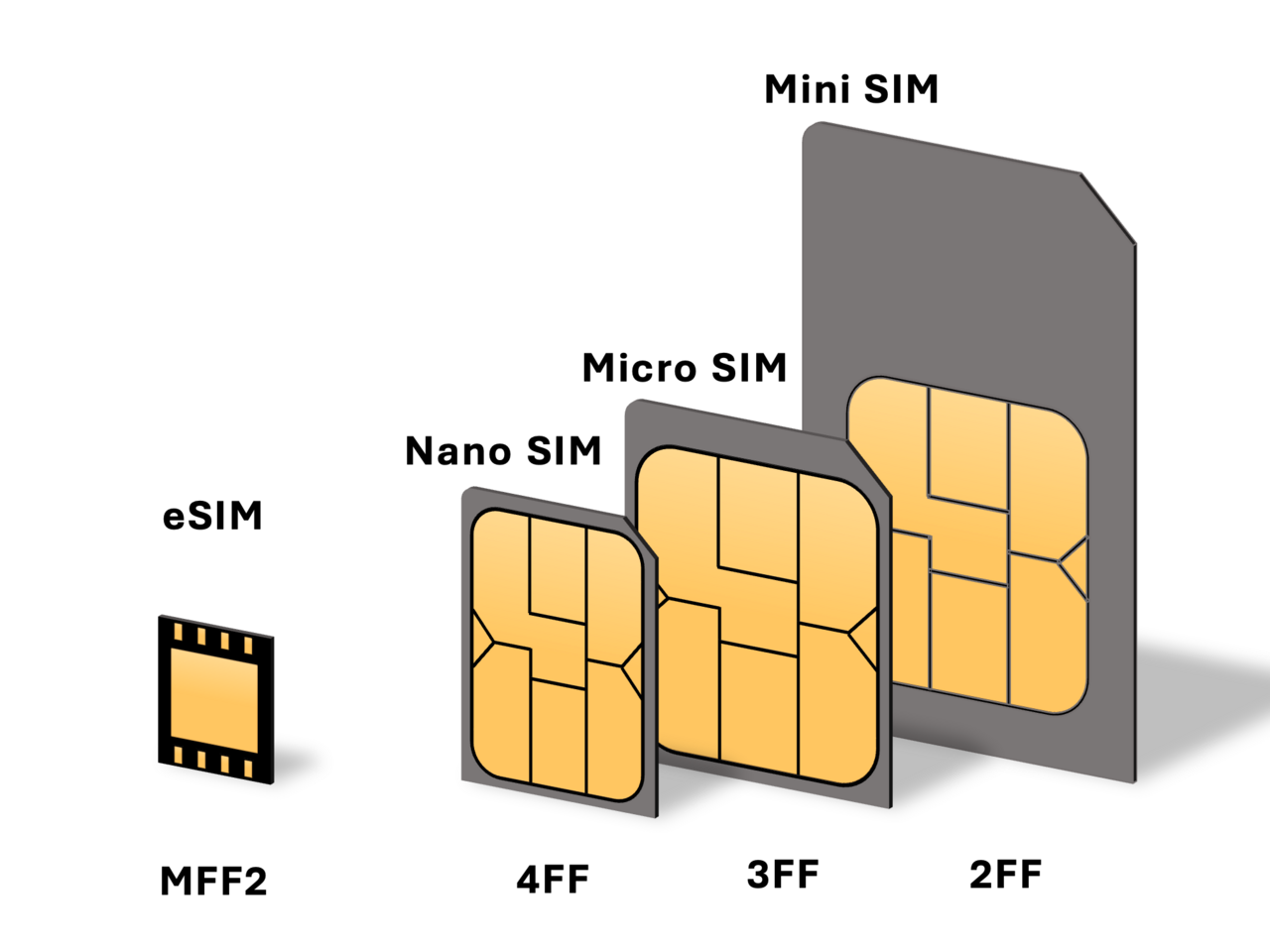
Outside mainland China, Hong Kong, and Macao, iPhone XS, iPhone XS Max, iPhone XR, and later models support eSIM. That includes iPhone SE (2nd generation and later), iPhone 16e, iPhone 17, iPhone 17e, iPhone Air, and iPhone 18 Pro. iPhone 14 and later sold in the United States have no physical SIM tray at all.
Hong Kong and Macao are different. Apple’s current list of models there that do support eSIM is short: iPhone XS, iPhone SE (2nd and 3rd generation), iPhone 12 mini, iPhone 13 mini, iPhone 16e, iPhone 17, iPhone Air, iPhone 17 Pro, iPhone 17 Pro Max, iPhone 17e, iPhone 18 Pro, iPhone 18 Pro Max, and iPhone Duo. Other Hong Kong and Macao iPhones in that era, including iPhone XR, iPhone XS Max, iPhone 11, most iPhone 12 and 13 models, and the iPhone 14, 15, and 16 series other than 16e, use two nano-SIM cards.
| Bought in Hong Kong or Macao | What the phone uses |
|---|---|
| iPhone XS, SE (2nd and 3rd), 12 mini, 13 mini, 16e, 17 and later, Air, 17e, 18 Pro, Duo | eSIM |
| iPhone XR, XS Max, 11, 12, 12 Pro, 13, 13 Pro, 14, 15, and 16 except 16e | Two physical SIM cards |
Mainland China is narrower, and the marketing name is not enough. Apple lists eSIM there only for iPhone 18 Pro model A3715, iPhone 18 Pro Max model A3718, iPhone Duo model A3721, iPhone 17e model A3635, and iPhone Air model A3518. Activation is done in a carrier store. Other mainland China units of the iPhone 18 Pro and 18 Pro Max use two nano-SIM cards, and so do iPhone 17, iPhone 17 Pro, iPhone 17 Pro Max, and iPhone 16e bought there, even though those same names bought in Hong Kong support eSIM. A China-mainland iPhone that does support eSIM can add a travel eSIM only while it is outside mainland China, with Location Services on. It can store two eSIM profiles.
Older notes that say “every Hong Kong iPhone from the iPhone 12 onward has no eSIM” are out of date. iPhone 12 mini and iPhone 13 mini in Hong Kong do support eSIM. So do iPhone 16e and iPhone 17 and later. The safe check is still the model number, not the marketing name.
iPad
Only cellular iPads have an eSIM. Wi-Fi models do not. The cellular lines that support it are iPad Pro 11-inch (1st generation and later), iPad Pro 12.9-inch (3rd generation and later), iPad Pro 13-inch, iPad Air (3rd generation and later), iPad (7th generation and later), and iPad mini (5th generation and later). An older cellular iPad with only a SIM tray will not install a Bento plan.
Android
Google Pixel 3 and later, including Pixel Fold, generally support eSIM. Pixel 2 could use an eSIM, but only on some carrier plans, so it is a poor assumption for travel. Samsung’s common travel phones are Galaxy S20 and later, Galaxy Note 20, Galaxy Z Flip, and Galaxy Z Fold. That is not every Samsung. Galaxy A54 supports eSIM only on selected model numbers, and phones sold in some regions ship without it. Xiaomi, Motorola, Oppo, Honor, Sony, and Huawei add eSIM on scattered flagships, and the same name can differ by country.
On the phone itself, the setting is a better test than a brand list. iPhone shows Add eSIM or Add Cellular Plan under Cellular. Android shows SIMs or a line about downloading a SIM under Network and internet. If that control is missing, the phone cannot install the plan.
Frequently Asked Questions
My iPhone 16 Pro Max says it supports eSIM. Does a Hong Kong one?
Not by that name alone. Hong Kong and Macao iPhone 16, 16 Plus, 16 Pro, and 16 Pro Max models use two physical SIM cards. iPhone 16e bought there does support eSIM. Open About and read the model number.
Can I use a physical SIM and an eSIM together?
On phones that have both, yes. The home number can stay in the tray while the travel line is the eSIM. Phones that are eSIM-only, such as US iPhone 14 and later, have no tray.
Where is the official iPhone list?
Apple publishes the Hong Kong and Macao exceptions, the mainland China eSIM models, and the dual nano-SIM models on its support site. Those pages are the source for the table above.
Apple: eSIM on iPhone in Hong Kong and Macao