
What is an eSIM?
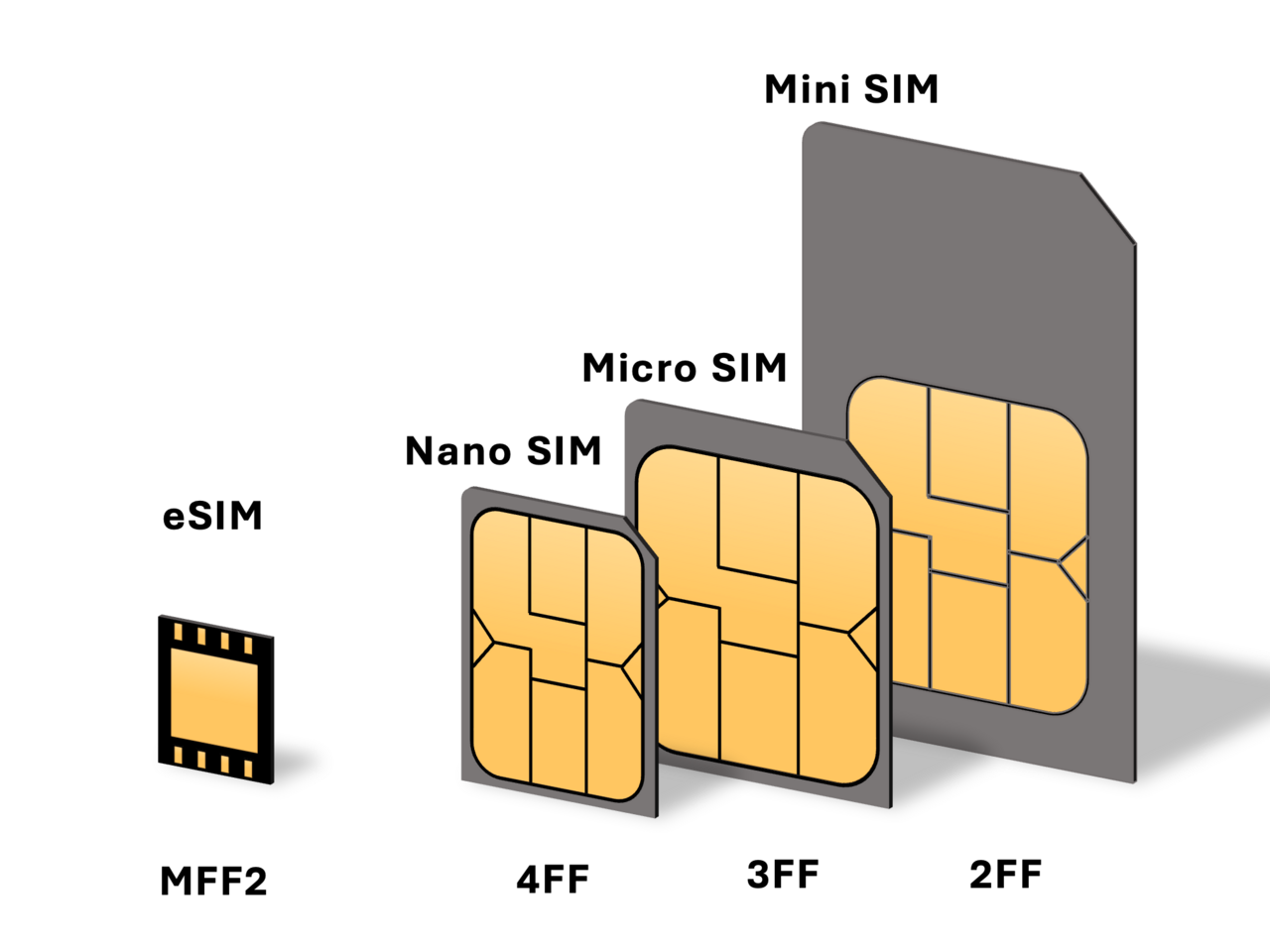
An eSIM is a SIM chip soldered into the phone. It is not a plastic card you push into a tray. You buy a data plan before the flight, the shop sends a QR code, and the phone downloads that line. Your usual number can stay where it is, which matters when a bank or an airline texts a code.
On a short trip the useful part is simple: no counter queue, no SIM pin, and you are not fishing the home SIM out of a jacket pocket at arrivals. Phones that support eSIM can keep the home number and the travel data line at the same time.
What the phone is actually doing
A plastic SIM stores the line on a chip you can remove. An eSIM stores the same kind of profile on a chip you cannot pop out. The shop gives you a QR code. The phone scans it, downloads the profile, and you switch that line on for mobile data.
Downloading the profile is not the same as starting the plan. On Bento, the plan starts after you arrive and install it, so you can save the QR code at home and turn the line on at the airport. The menus differ by phone. Opening the setup steps once before you fly is easier than hunting for them at the baggage carousel.
How that differs from a plastic SIM
A plastic SIM needs a tray. Pull the home SIM out and the home number goes quiet, including those bank texts. An eSIM usually sits beside the physical SIM: home number on one line, local data on the other. Maps and taxis use the travel data. Calls and texts still hit the number people already have.
Lose a plastic card and you buy another. An eSIM has nothing to drop in a taxi, but it is tied to the phone that installed it. Some plans can be downloaded again. Some stick to the first phone. Read that on the plan page before you pay.
The phone has to support it
Recent iPhones and many Android phones have an eSIM. Older phones with only a tray do not. Before the trip, search the settings for “eSIM” or “mobile plan”. If you can add a plan or scan a QR code, you are usually fine.
A work phone can block new plans. Use your own phone, or buy a plastic SIM at the airport. A phone locked to one carrier at home may also refuse the download.
Trips where it earns its keep
Short trips care about having data at the kerb, not about collecting a card you throw away on the way home. You can turn the line on in the arrivals hall and already have a map, a translation app, and a reply to the person picking you up. If you will hotspot the rest of the group, pick a looser allowance. One person streaming can empty a small plan for everyone.
- You want the home number left on for texts and calls
- You do not want an airport queue or a SIM pin
- The phone lists eSIM support and is not locked by work
- You already know the number of days and whether you will share the connection
A few hours in transit does not need an unlimited day. A week of walking navigation can finish a small fixed plan on the last afternoon. Write the days down, then look at the plans.
What you can buy on Bento
Plans are unlimited, daily, or a fixed total. Unlimited suits maps and photos all day. After the fast allowance, the line slows down instead of dying. A daily plan refreshes a chunk of fast data every day. A fixed plan is one pool for the whole trip.
Asian local plans, regional packs, and the United States sit on the same site. Prices are on each plan page. Checkout can be in US dollars, pounds, euros, or Hong Kong dollars.
The plan starts after you arrive and install it. Saving the QR code at home does not start the clock.
Frequently Asked Questions
Do I have to remove my usual SIM?
No. The eSIM is another line in the phone. On most dual-SIM phones you leave the plastic SIM where it is.
Which phones cannot use one?
Older phones with no eSIM, work phones that block new plans, and phones locked to one carrier. Search the settings before you pay.
If you are still choosing between a plastic card and an eSIM, read the comparison. If Japan is already booked, the next post is about which data plan lasts the trip.
eSIM vs. Physical SIM: Which is Better for Travel?
Staying Connected in Japan: How to Choose the Right eSIM Data Plan to Avoid Dropped Connections